 (951) 674-9400
 information@kamalii.org


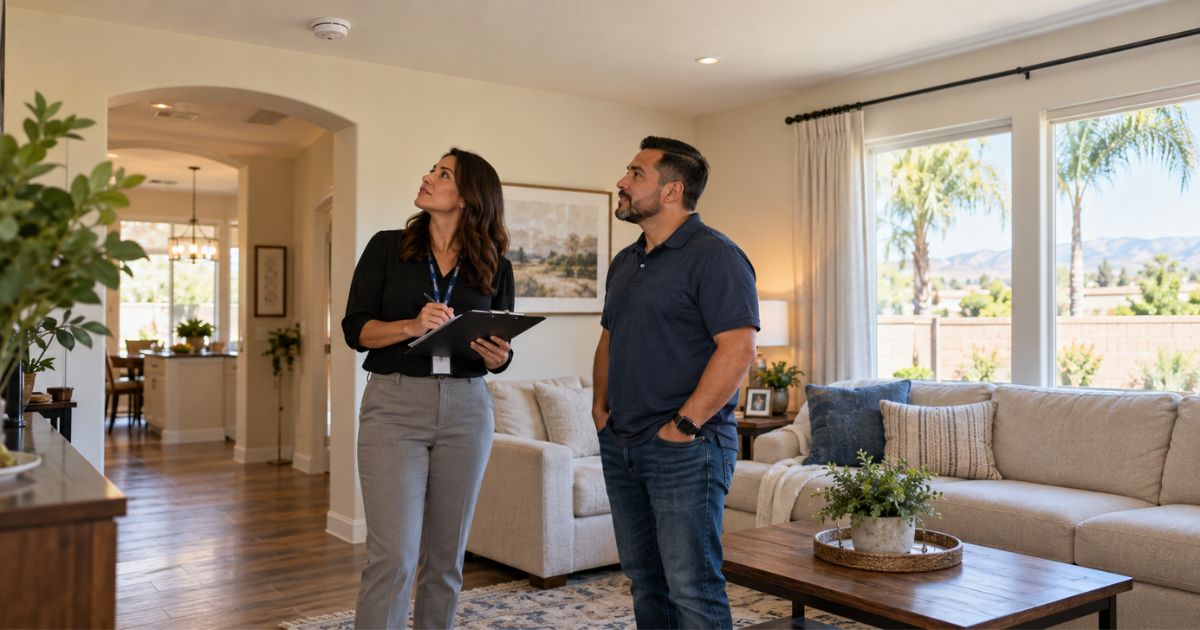
Preparing your home to welcome a child through foster care involves more than creating a comfortable bedroom. California’s Resource Family Approval (RFA) process includes a home safety assessment designed to determine whether a household can provide a safe, appropriate environment for children in care.
For prospective resource parents, understanding the inspection process can make preparation more manageable. This foster parent home inspection checklist explains the major safety areas to review, common preparation concerns, and how families can approach the assessment with confidence.
Understanding Foster Parent Home Inspections in California
California’s foster care approval process includes specific requirements designed to promote children’s safety and well-being. Understanding how home inspections fit into this process can help prospective resource parents prepare their households and approach the assessment with clearer expectations.
What Is a Resource Family Home Inspection?
A resource family home inspection is part of California’s approval process for individuals and families interested in providing foster care.
The assessment evaluates the home’s physical environment, including living spaces, sleeping arrangements, storage areas, and potential safety hazards.
According to the California Department of Social Services’ Resource Family Approval Program, approval includes a home environment check, family evaluation, and required preparation.
The purpose is not to judge a home’s appearance or furnishings. Instead, the assessment helps determine whether children can live safely in the household.
How Home Inspections Fit Into the Approval Process
A home inspection is one component of resource family approval, alongside training, background checks, and family assessments.
Kamali’i Foster Family Agency includes an inspection conducted by agency staff in its approval process. Prospective parents can review the agency’s resource family requirements and application steps before beginning.
Families should understand that completing a home inspection does not automatically result in approval. All applicable requirements must be satisfied.
Foster Parent Home Inspection Checklist: Essential Areas to Prepare
Preparing for a foster parent home inspection involves reviewing several important areas of the household. From general safety conditions to sleeping arrangements and emergency preparedness, each consideration contributes to creating an appropriate environment for children entering foster care.
1. General Home Safety and Maintenance
The home should be clean, sanitary, structurally sound, and free from readily identifiable hazards.
Before the inspection, consider reviewing:
-
Floors, stairs, railings, and walking surfaces for hazards.
-
Windows, doors, and locks for proper operation.
-
Electrical outlets, cords, and accessible wiring.
-
Plumbing fixtures and areas with visible leaks.
-
Common areas for obstacles that could cause injuries.
Addressing damaged flooring, exposed wiring, or other significant safety concerns before the appointment can help avoid preventable delays.
The goal is a functional, safe household rather than an extensively remodeled property.
2. Smoke Alarms and Fire Safety
Fire safety is an important consideration when preparing a foster care home.
Check that smoke alarms and carbon monoxide alarms are installed and functioning according to applicable requirements. Review accessible exits and remove obstacles that could interfere with evacuation.
Families should also consider:
-
Identifying safe evacuation routes.
-
Keeping exits accessible.
-
Checking for damaged electrical equipment.
-
Discussing emergency procedures with household members.
-
Confirming any applicable fire clearance requirements.
Additional safety measures may depend on the home’s circumstances and the needs of children receiving care.
3. Bedrooms and Sleeping Arrangements
Appropriate sleeping accommodations help children maintain privacy, comfort, and safety.
California’s assessment considers bedroom arrangements, available living space, and the needs of household members.
Prospective resource parents should prepare suitable beds and storage space while confirming applicable bedroom-sharing requirements with their approving agency.
Important considerations include:
-
Providing an appropriate sleeping space for each child.
-
Ensuring beds and mattresses are safe and suitable.
-
Maintaining clear access to bedroom exits.
-
Providing reasonable storage for clothing and belongings.
-
Avoiding overcrowded sleeping arrangements.
For infants, safe sleep arrangements require particular attention. Families anticipating infant placements should discuss current crib and sleep safety expectations with agency staff.
Safe Storage of Medications, Chemicals, and Weapons
Proper storage of potentially hazardous items is an important part of preparing a home for foster care. Prospective resource parents should review where medications, household chemicals, firearms, and other dangerous items are kept to help prevent accidental access and address applicable safety requirements.
Medication and Household Chemical Storage
Everyday household products can create safety concerns when accessible to children.
Review where medications, cleaning supplies, disinfectants, pesticides, and other potentially harmful substances are stored.
Protective arrangements should account for the ages, abilities, and individual needs of children who may enter the home.
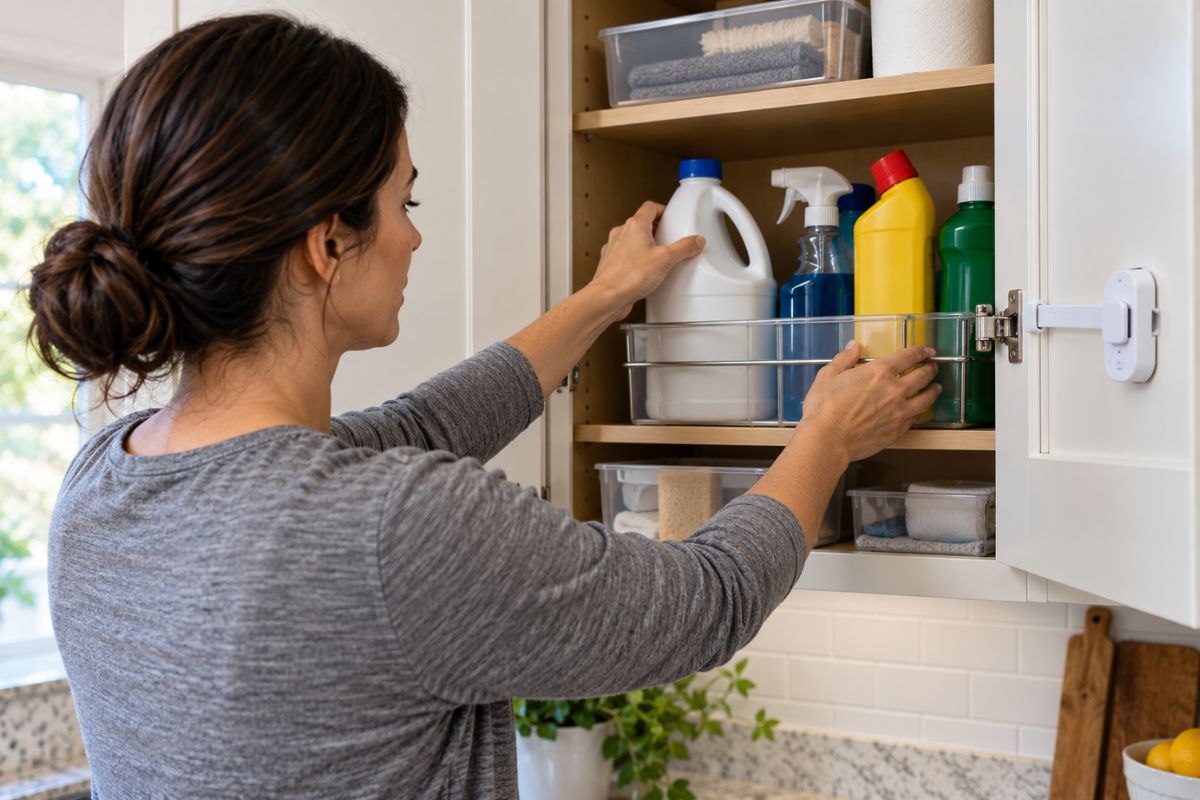
Consider organizing hazardous materials before the inspection and ensuring storage arrangements prevent inappropriate access.
Firearms and Other Dangerous Items
Households containing firearms or other weapons must comply with applicable California storage requirements.
Prospective resource parents should disclose relevant household circumstances and confirm current requirements with their approval worker.
Secure storage expectations can differ according to the type of item and applicable rules. Families should never assume ordinary household storage is automatically sufficient for foster care approval.
The California Department of Social Services’ Resource Family Approval forms include the current RFA 03 Home Health and Safety Assessment Checklist, which identifies areas reviewed during the assessment.
Outdoor Safety, Pools, and Pets
Outdoor areas and household pets are also important considerations during a foster parent home inspection. Prospective resource parents should assess their yards, swimming pools, recreational spaces, and animals for potential safety concerns to help create a secure environment for children entering foster care.
Preparing Outdoor Spaces
Outdoor areas should be reviewed for hazards that could endanger children.
Walk through yards, patios, driveways, and recreational areas to identify damaged structures, unsecured equipment, or unsafe access points.
Swimming pools, spas, and other bodies of water require particular attention. Applicable safeguards must be assessed against California’s requirements rather than assumed adequate because a pool is fenced.
Families should discuss any water features with their approving agency before the inspection.
Considering Household Pets
Having pets does not automatically prevent a family from providing foster care.
However, assessors may consider whether animals present safety concerns, particularly when a child has allergies, fears, or other individual needs.
Families can prepare by ensuring pets are appropriately supervised, their living areas are sanitary, and animal-related hazards are addressed.
Discuss any applicable vaccination, animal safety, or documentation requirements with agency staff.
How to Prepare for Your Foster Care Home Inspection
Taking a systematic approach to home inspection preparation can make the process more manageable. Reviewing each room, organizing relevant information, and communicating with agency staff can help families identify potential concerns before the scheduled assessment.
Conduct a Room-by-Room Safety Review
A practical way to prepare is to walk through the property from a child’s perspective.
Start at the entrance and review each room, including bedrooms, bathrooms, the kitchen, utility areas, and outdoor spaces.
Look for hazards that may be overlooked during ordinary household routines.
A simple written checklist can help families track concerns and identify repairs or safety improvements that remain unfinished.
Prioritize actual safety issues rather than cosmetic changes that do not affect the home’s suitability.
Organize Important Information
Although the inspection primarily addresses the home environment, keeping relevant information organized can support the wider approval process.
Families may find it helpful to prepare:
-
Emergency contact information.
-
Household emergency procedures.
-
Questions about bedroom arrangements.
-
Information concerning pools, pets, or other household considerations.
-
Records or documents specifically requested by the agency.
Ask the approving agency which materials should be available during the inspection rather than assuming every household needs identical documentation.
Communicate With Your Approval Worker
Prospective resource parents should raise questions before their scheduled inspection whenever possible.
If a household has unusual sleeping arrangements, shared living spaces, accessibility considerations, or potential safety concerns, early communication can clarify expectations.
Agency staff can explain which requirements apply and whether additional steps are necessary.
Common Foster Home Inspection Preparation Mistakes
Even well-maintained homes may have safety concerns that prospective resource parents overlook. Recognizing common preparation mistakes can help families address potential issues early and better understand what to expect during the assessment.
Overlooking Everyday Safety Hazards
Families sometimes focus on bedrooms while overlooking other areas.
Unsecured cleaning products, blocked exits, damaged cords, and accessible hazardous materials can create avoidable concerns.
Reviewing the entire property provides a more complete picture of household safety.
Assuming Every Home Must Look the Same
Resource family homes do not need identical layouts or furnishings.
Kamali’i explains that single-family homes, townhomes, and apartments may be appropriate for foster care.
Suitability depends on the household environment, available accommodations, applicable requirements, and the needs of the children.
A modest home can provide a safe and supportive environment when approval standards are met.
Waiting Until the Inspection to Ask Questions
Delaying questions about pools, sleeping arrangements, or storage requirements can lead to unnecessary uncertainty.
Families benefit from seeking clarification early and addressing identified concerns before their appointment.
If an issue is discovered during the assessment, follow the approval worker’s instructions regarding any necessary corrections.
What Happens During and After the Home Inspection?
During the assessment, an authorized worker reviews the household environment and relevant safety conditions.
The worker may examine indoor and outdoor areas, discuss household arrangements, and identify items requiring clarification or correction.
The exact process depends on the home’s circumstances and applicable approval standards.
Afterward, families may receive guidance about outstanding requirements or additional actions.
A satisfactory home assessment represents progress toward approval, but it does not replace background checks, training, or the broader family evaluation.
Prospective families should remain in contact with their approving agency throughout the process.
Preparing a Welcoming Environment Beyond Safety Requirements
Meeting inspection requirements establishes an important safety foundation, but welcoming a child also involves emotional preparation.
Children entering foster care may be adjusting to unfamiliar surroundings, routines, and relationships.
Resource parents can prepare by creating an organized sleeping space, considering age-appropriate necessities, and developing predictable household routines.
Allowing room for personal belongings and respecting privacy can help a child feel included.
These thoughtful preparations complement the formal approval process without replacing required safety standards.
Final Thoughts
Preparing for a California foster parent home inspection begins with understanding the purpose of the assessment and reviewing the household carefully.
Safe sleeping arrangements, appropriate storage, working safety equipment, and hazard-free living spaces are essential considerations. Clear communication with agency staff also helps families understand requirements specific to their circumstances.
Kamali’i Foster Family Agency supports prospective resource parents through the approval process, including training and guidance.
Families interested in becoming resource parents in Riverside or San Diego County can contact Kamali’i Foster Family Agency to learn more about getting started.
Frequently Asked Questions
Does California require a home inspection before foster parent approval?
Yes. California’s Resource Family Approval process includes a home environment assessment. This evaluates household safety and suitability alongside other approval requirements.
Can you become a foster parent if you live in an apartment?
Yes, apartment living does not automatically disqualify applicants. The residence must meet applicable safety, space, and accommodation requirements.
Does every foster child need a separate bedroom?
Not necessarily. Bedroom-sharing arrangements depend on applicable standards and children’s individual needs. Each child must have suitable sleeping accommodations.
What happens if a home does not meet an inspection requirement?
The approving agency determines the appropriate next steps. Depending on the issue, families may be asked to make corrections before approval can proceed.
Do you need to finish foster parent training before the home inspection?
Training and home assessments are both components of approval. Their scheduling may vary. Prospective parents should confirm the sequence with their approving agency.
