 (951) 674-9400
 information@kamalii.org

Turning 18 happens on a fixed date. Being ready for it does not. Young people in foster care often reach adulthood with fewer rehearsals than their peers: fewer chances to practice a budget, sign a lease, schedule a doctor visit, or recover from a mistake with someone steady nearby. An independent living skills program exists to close that gap, turning abstract advice about adulthood into practiced, repeatable skills.
Public agencies describe the Independent Living Program, often called ILP, as a federally and state funded program designed to help eligible youth develop the skills needed in preparation for adulthood. The underlying idea is simple. All young people need support, experience, coaching, and mentoring to prepare for adulthood and to sustain it once they arrive. Youth who have experienced multiple transitions in their lives may not have had those supports as consistently as others, so the program builds them deliberately.
What an Independent Living Skills Program Actually Does
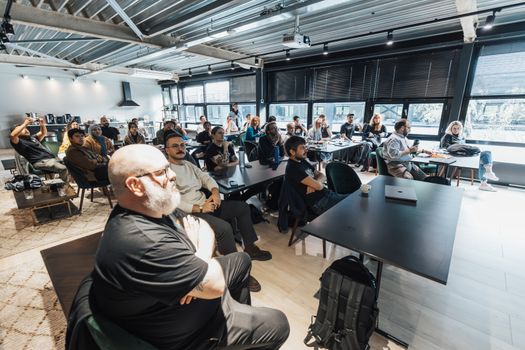
An independent living skills program is part skill class, part coaching relationship, and part launch plan. Programs vary by county and provider, but most share a common structure: group sessions or one-on-one meetings, a set curriculum of practical life topics, and a staff member or mentor who checks in on progress over time.
Format matters less than consistency. San Francisco ILSP, for example, serves young people between the ages of 16 and 22 who have been in foster care or the juvenile justice system as they prepare for adulthood. Some programs use a multi-week group model. YAI’s Independent Living Skills Program runs a series of 12-week group sessions for adults 18 or older, with weekly topics covering money management, community safety, self-care, friendships, and relationships. The shared goal is the same across models: youth leave with skills they have actually used, not just heard described.
Who the Program Is Built For
Eligibility rules differ from one program to the next, and they are usually tied to foster care or juvenile justice involvement, age, and county of residence. Because those details change, the most reliable step is to confirm eligibility directly with the program you are considering.
Age ranges in the field vary. San Francisco ILSP serves youth ages 16 to 22. Other programs focus on older participants. Some independent living skills programming is designed for adults 18 and older who are leaving care or preparing to leave it. If you are a caregiver, social worker, or young person trying to sort out options, ask three questions up front: what ages are served, what the eligibility requirements are, and what the program expects in terms of attendance.
The Skills Youth Practice Week to Week
Independent Living Program classes typically cover life skills training in areas such as employment, education, housing, and money management. The topics are practical by design, and they tend to cluster into recognizable categories.
| Skill area | What it covers |
|---|---|
| Money management | Budgeting, tracking spending, and planning for recurring expenses |
| Employment and education | Job readiness, high school completion, and college preparation |
| Housing | Understanding what it takes to find and keep a place to live |
| Health and self-care | Physical and mental health, personal care, and community safety |
| Relationships | Friendships, relationship-building, and communication |
| Self-advocacy | Problem-solving, decision making, judgment, and recognizing strengths |
That list is not random. Each item maps to a moment when a young adult either has someone to lean on or does not. A program cannot guarantee support will always be there, but it can make sure the young person knows what to do when it is not.
Education and Career Preparation
Many programs treat school and work as the spine of the curriculum. First Place for Youth’s Independent Living Skills Program focuses on high school completion and college preparation, alongside physical and mental health, relationship-building, and self-advocacy. The sequencing reflects reality: a diploma or a credential opens doors that a life skills class alone cannot, so the program pairs practical training with academic momentum.
Money Management and Budgeting
Budgeting shows up in nearly every curriculum because it is where independence either holds or collapses. Sessions on money management teach participants how to plan for regular costs, distinguish needs from wants, and anticipate expenses that arrive on a schedule. For a young person about to be responsible for rent, food, transportation, and a phone bill, this is not an abstract lesson. It is the arithmetic of staying housed.
Health, Wellness, and Self-Care
Programs also address physical and mental health. Group sessions commonly include self-care and community safety topics, and some use weekly themes such as recognizing strengths, building self-esteem, and practicing self-advocacy. Learning to schedule an appointment, ask a question of a medical professional, or name what you are feeling is a skill, and like any skill it improves with repetition and coaching.
Relationships, Judgment, and Decision Making
YAI’s program describes its sessions as focusing on judgment, decision making, risk-taking, recognizing strengths, problem-solving, self-esteem, and self-advocacy. Those are the invisible competencies underneath every other skill. A young person who can weigh a risk, ask for help, and recover from a bad choice is far better positioned than one who has memorized a budget worksheet but freezes when something goes wrong.
Why Housing Gets So Much Attention
Housing is often the point where preparation meets consequence. Contra Costa County’s Independent Living Skills Program frames its work in exactly those terms, describing its purpose as helping participants every step along the way, including a young person who used the program to escape homelessness and put herself on a career track.
For youth in extended foster care in California, transitional housing programs pick up where skills training leaves off. Transitional Housing Placement programs serve specific age bands, including the THP-NMD program for youth ages 18 to 21 and THP-Plus for young adults ages 18 to 24. Kamali’i Foster Family Agency, which serves Riverside and San Diego counties, provides both, along with its H.O.P.E. Independent Living Program. The pairing is intentional. Skills training prepares a young person for independent living, and a transitional housing placement gives them a supervised, supported place to practice it.
Same Name, Different System
The phrase independent living skills appears in more than one service system, and the distinction matters when you are searching for help. In California’s developmental services system, Independent Living Skills services provide training and assistance for adults with intellectual and developmental disabilities to achieve greater independence, either while living with others or while acquiring and maintaining their own living situation. Those services are funded through the regional center and delivered in a non-licensed home or apartment, with rental assistance offered through HUD’s Section 8 Housing Program and living expenses paid through Supplemental Security Income or other benefits or income.
That is a different structure from the foster youth Independent Living Program. If you are looking for services for a young person leaving foster care, confirm which program you are being referred to before you fill out paperwork.

What Programs Are Not
An independent living skills program does not replace a permanent connection to a caring adult. The guidance behind the Independent Living Program is explicit about this: it recognizes the urgency for young people to have lifelong permanent relationships with stable, loving adults. Skills classes end. Relationships do not have to.
That is why resource parents, mentors, and support groups carry so much weight in this work. A young person who knows how to budget but has no one to call on a hard day is only half prepared. Agencies like Kamali’i reinforce the relational side through resource parent support such as the Kamali’i Haven group and through youth programming that keeps connection going beyond a class schedule.
What to Ask Before Choosing a Program
- Which ages and circumstances qualify for enrollment?
- Is the format group sessions, one-on-one coaching, or both?
- How long does the program run, and what happens when it ends?
- Does the program connect participants to housing, employment, or education support?
- Who stays in contact with the young person after the program finishes?
- What documentation or referral does the program require to enroll?
Because eligibility and enrollment rules vary by county, agency, and funding source, verify current details directly with the program. A short phone call resolves more than a long search.

How the Pieces Fit Together
Preparing for adulthood is not a single event. It is a sequence: learn the skill, practice the skill with support, then use it in a setting where a mistake is survivable. An independent living skills program supplies the first two steps. Transitional housing and ongoing relationships supply the third. Together they give a young person something closer to what most young adults get from a family: room to try, room to fail, and someone who notices.
Frequently Asked Questions
What is the difference between an Independent Living Program and transitional housing?
An Independent Living Program is a federally and state funded program designed to help eligible youth develop the skills needed in preparation for adulthood. Transitional housing provides an actual place to live while those skills are practiced. Many young people use both, moving from skills training into a supported housing placement as they approach or enter adulthood.
At what age can a young person start an independent living skills program?
Age ranges vary by program. San Francisco ILSP serves young people between the ages of 16 and 22 who have been in foster care or the juvenile justice system. Other programs focus on participants 18 and older. Check the specific program’s eligibility rules before applying, since requirements are tied to age, circumstances, and location.
What skills are taught in these programs?
Common topics include budgeting and money management, employment and education, housing, physical and mental health, self-care, community safety, friendships and relationships, self-advocacy, problem-solving, decision making, and recognizing personal strengths. Sessions are practical rather than theoretical, and many programs mix group classes with individual coaching and mentoring over time.
Is an independent living skills program free for foster youth?
The Independent Living Program is described as federally and state funded, which means eligible youth generally do not pay tuition. Eligibility still has to be confirmed, and programs may require a referral from a county social worker or another authorized source. Ask the program directly about cost, referral requirements, and any documentation needed to enroll.
Do participants have to be in foster care to qualify?
Not always. San Francisco ILSP serves young people who have been in foster care or the juvenile justice system. Other independent living skills services, including those funded through California’s regional center system, serve adults with intellectual and developmental disabilities and are unrelated to foster care. Confirm which program fits your situation before enrolling.
